You or someone using this computer or device previously created Trip Plans.
What should we do with these plans?
Make these Trip Plans part of my account
Discard these Trip Plans
Login
Some text here
Password Reset
Please enter the email you used to set up your account.
We'll send a link to use to reset your password.
Check Your Email
If there is an account with the email address , we will send you a link to reset your password
Winter Driving in the Mountains is No Joke
The first big snowstorms hit Colorado this last week, marking the longest wait we have had for the big snows to fall in recorded history. Colorado weather can be very tempermental, with highs and lows spanning a wide range of degrees. From the cold of the night to warm sunny days and anything in-between, it can be hard to guess what awaits you, even with a weather forecast in your phone.
We want our visitors to be safe when they come to North Park, so please check out this guide on winter driving and outdoor safety before your visit! North Park can be a wonderful place and always a memorable experience. Let’s just be sure it’s for all the best reasons.
Winter Weather Conditions
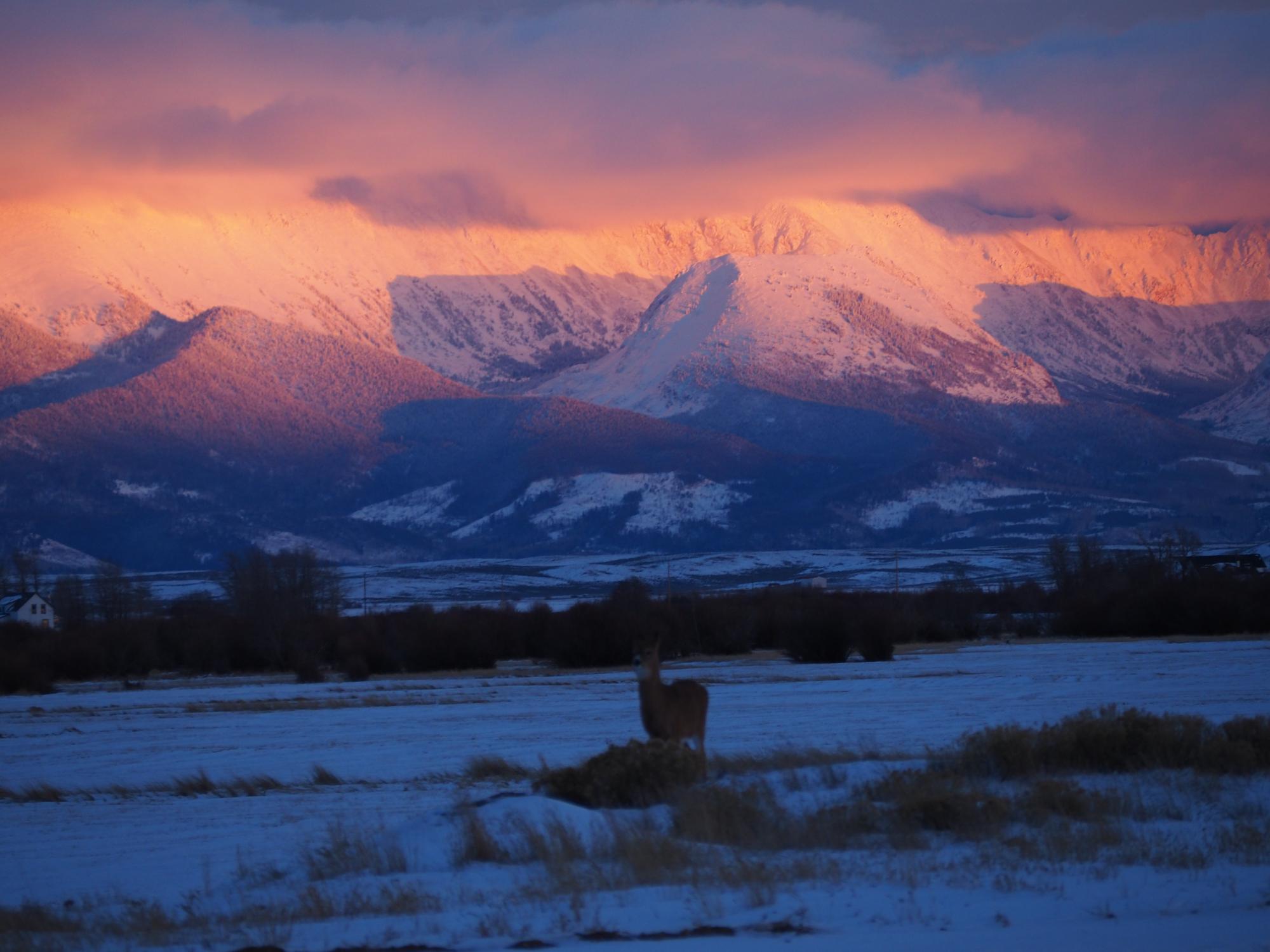
North Park is an intermountain basin with an average of about 8100 ft. above sea level, surrounded on all sides by mountains topping out at around 12,000 feet. This altitude gain not only separates us geographically from much of Colorado, but also meteorologically as well. Winter storms can be very harsh and somewhat unpredictable. The terrain creates micro-climates that can greatly influence the weather, especially when it comes to wind. The mountains basically create their own weather, and the conditions you might find aren’t always going to be seen on the Weather Channel.
Cold air from the upper atmosphere often finds its way down into North Park, drastically dropping the temperature. These high and low pressure systems create a lot of strong winds, and have even been known to bring above average temperatures while the rest of Colorado is freezing.
With a combination of high winds, blowing snow, and melting and refreezing ice, it’s not unusual for sheet ice and black ice to form. Mix that with a solid ground blizzard causing whiteout conditions, and winds pushing your vehicle around the road, you might find yourself in a very hectic situation, miles from anywhere.
Resources for Travelers
A couple great resources to check out are first-hand accounts from motorists and plow drivers on the Jackson County Road Report Facebook group. You can also visitCOTrip and the Wyoming driver resourceWYRoad.info.
Wintertime is one of the most unpredictable and treacherous times of the year to be traveling in Colorado. Luckily for visitors to Jackson County, lack of congestion and drivers generally having a lot of experience in these types of conditions usually mean a very safe experience.
First of all make sure your vehicle is outfitted properly with tire chains or snow tires with adequate tread. Now, onto the rest!
Take It Slow
Keep a lot of space between you and the driver ahead of you. This isn’t a race. Four wheel drive doesn’t mean four wheel stop. Leaving plenty of room between yourself and other drivers gives you more time to react to dangerous situations and reduces your risk of collision. You don’t want a wreck in one of these isolated parts of Colorado, since EMS help could be an hour away, and even finding a tow truck could take several hours.
The best way to regain control of your vehicle if you feel as though you are skidding is to keep your foot off the brake. Allowing your engine speed to slow you down will keep you in control. If you don’t feel comfortable driving in winter weather conditions—or if roads are closing—there’s no shame in waiting it out.
Check into a hotel in Walden. An old adage about Colorado weather says “if you don’t like the weather, wait ten minutes.” Though we can’t promise a blizzard will be over in ten minutes, most road closures and poor driving conditions are usually fixed within about 24 hours. Give yourself time to kick back, enjoy a warm place to sleep, and maybe walk around town to do some shopping or grab a meal at one of our local establishments.
Isolation is a Big Factor
One of the charms of North Park is just how off the beaten path it is, but there’s a downside to this kind of isolation. It could take hours for AAA to respond to a call for even a dead battery or need to be pulled out of a snow drift, and wreckers have to come from Laramie, Steamboat, Granby or Kremmling. Sometimes a helpful local might have the equipment to help out if you are stuck. Either way, chances are you are going to find yourself a long way from help whatever the situation.
Cell phones, especially during snowstorms, have limited coverage. Letting others know your schedule and itinerary is a good rule to follow in case you are off-grid. If you are running late, it should be because you’ve stopped to admire the scenery, not because you’ve had a breakdown or run off the road. During a ground blizzard, the scenery is—shall we say—limited.
Again, take your time and give yourself at least another twenty minutes to half an hour of travel time for every hour you are expected to be on the road. And whatever you do, don’t drive distracted. Put your mobile phone away until you are no longer driving.
Exposure
In extreme winter driving conditions, wind chill can be deadly, especially at high altitudes. Exposed skin, especially your hands, face, and even toes can become frostbitten. Your core temperature can drop quickly, leaving to hypothermia if you are out in bad weather long enough. It’s not uncommon for mountain temperatures to reach -40 degrees. Combined with wind storms, that temperature can drop even lower.
Here’s What You Can Do
Call for Help
If you find yourself stuck or run off the road, call for help. You can reach EMS dispatch for Jackson County by dialing 911 in an emergency. If you can get cell service, you might also be able to reach your insurance company, AAA, or other services to help you recover your vehicle. Also let anyone who might be expecting you know what your situation is and they might also be able to help however they can. At the very least they’ll know what is happening.
Stay Put
Your vehicle not only protects you from the elements, but also offers significant protection against possible impacts from other vehicles. Turn on your emergency flashers and try to ease over to the side of the road if possible. Shoulders on Colorado mountain highways might be soft or non-existent, so be careful not to get yourself stuck.
Don’t get out of the vehicle unless you have determined it is safe. Every winter in Colorado, pedestrians are accidentally hit during bad weather conditions. More importantly, do not start walking for help. Whiteout conditions can lead to your getting lost or injured from exposure.
Be visible
Use emergency flashers, road flares, or wave down other drivers safely. Wearing bright colors or holding a flashlight can help you to be seen. Don’t step in front of traffic, especially if conditions are slick and visibility is poor.
Stay warm and dry
Huddle together if traveling with others (or pets!) to share body heat. Don’t get in and out of the vehicle unless absolutely necessary, since this will cause you to lose any warm air you have stored up inside. Walking around in snow and tracking it back in will not only lower the inside temperature, but also the melted snow will make it hard to stay dry.
If you are stranded for long periods of time, run your motor sparingly as exhaust fumes can build up and cause carbon monoxide poisoning without proper ventilation.
Don’t use fire inside your vehicle as this can lead to worse problems such as burns, carbon monoxide and smoke inhalation, or igniting flammable substances–including you! If you have to start a fire, make sure it is away from your vehicle and any fuel or flammable materials. Your car is going to be your best mode of shelter–even if you are just bundled up inside–so start a fire only if absolutely necessary.
Essentials for Traveling in Winter
If you are new to Colorado or if you are a longtime resident, keeping an emergency kit in your vehicle is critical. Here’s some of the things you should pack for when the going gets tough.
Winter clothes: Dress for the worst weather. Insulated coats, gloves or mittens, water repellant shells, and winter hats will keep you warm and dry. Remember too that sweating can increase your chances of hypothermia, so be sure to dress in layers so you can regulate your body temperature without overheating and then getting cold.
Blankets: Wool or synthetic blend blankets are a great way to stay warm and cozy since they retain their ability to insulate even if they are wet. An emergency space blanket is not only warm but very light weight and compact. You won’t even notice you have it unless you need it.
Compact sleeping bag: A cold weather rated mummy bag can give you an edge if you find yourself stranded. Often compact and lightweight, a zero degree rated sleeping bag is a great addition to your winter travel kit.
Calories: Pack a few candy bars or protein bars for extra energy. These will also help keep your internal furnace running and maintain your core body temp.
Warmth: Chemical hand and foot warmers are a great way to keep the cold at bay, especially if you are having trouble staying dry.
Water: Believe it or not, but dehydration from exertion can contribute to hypothermia and fatigue. Having clean water to drink will allow your body’s core temperature to stay regulated.
Fire starting device: In a worst case scenario you might find yourself stranded and need to rely on fire outside your vehicle to stay warm. Become familiar with best practices on how to start fires in adverse conditions and build a campfire for warmth if necessary.
Road flares: You don’t see these as often as you once did, but you can still buy road flares. They are a great way to improve your visibility and even start a fire in a pinch, especially if fuel is wet or frozen.
Flashlight: A great way to signal others in an emergency or just help you see what you are doing when it’s dark.
First aid kit: A crucial element to any traveling kit. Not only good for cuts and scrapes, but something you should learn how to use well in case of emergencies.
Spare medication: Even if you aren’t stranded on the highway, you might be delayed in a vacation rental or hotel for a few days. While traveling in winter, be sure to bring extra medication such as insulin, heart medication, or pain management meds for a few unexpected days.
Road Closures and Whiteout Conditions
If you see the road closed barrier is down, never drive past it. It could be several hours if not days before even a snow plow crew could make it to you. In back roads, such as dirt roads and access roads to the mountains, it could be months before road crews clear these areas.
Snow plows are visible through their flashing blue lights. Give them plenty of space to lay down sand and salt. Following a plow too closely will usually result in a total whiteout from the powdered snow they kick up. Chances are they probably can’t see you following and at times they might make sudden stops or turns. Jackson County plows are typically active only during daytime hours starting at 7am and running until 5pm.
Avalanche!
Cameron Pass to Ft. Collins, Willow Creek Pass to Granby, and Rabbit Ears Pass to Steamboat might experience snow or rock slides, especially in late winter. Though not very common, they do happen! Avalanche warnings are sometimes in effect and you should always check road conditions before heading out, especially in late winter during warm weather when avalanches are most likely to occur.
Drive Safely and We Will See You Next Time!
We want all of our visitors to feel welcome and have a great experience on their trip to North Park. So even if we have some great events happening in North Park, we would rather you didn’t risk the drive up in bad weather conditions. We will still be here when the storm blows over with plenty of other things you can do!
Winter driving in Colorado can be wild, but it doesn’t have to be tragic if you come prepared and become familiar with some equipment and techniques to keep you safe and ready. Now that you’ve gotten an overview of what it takes to be prepared in Colorado winter driving conditions, you can explore the state with fewer worries. You’ll be driving like a local in no time at all! (The safe kind). Just keep it slow and easy, know the limitations of your vehicle, and when in doubt, stay home! We’ll catch you next time you come around!